So, why am I bored after quitting weed?
That first week off weed? Thrilling. But then… nothing. A movie flops, a meal’s just fuel, a friend’s joke lands flat. Sound familiar?
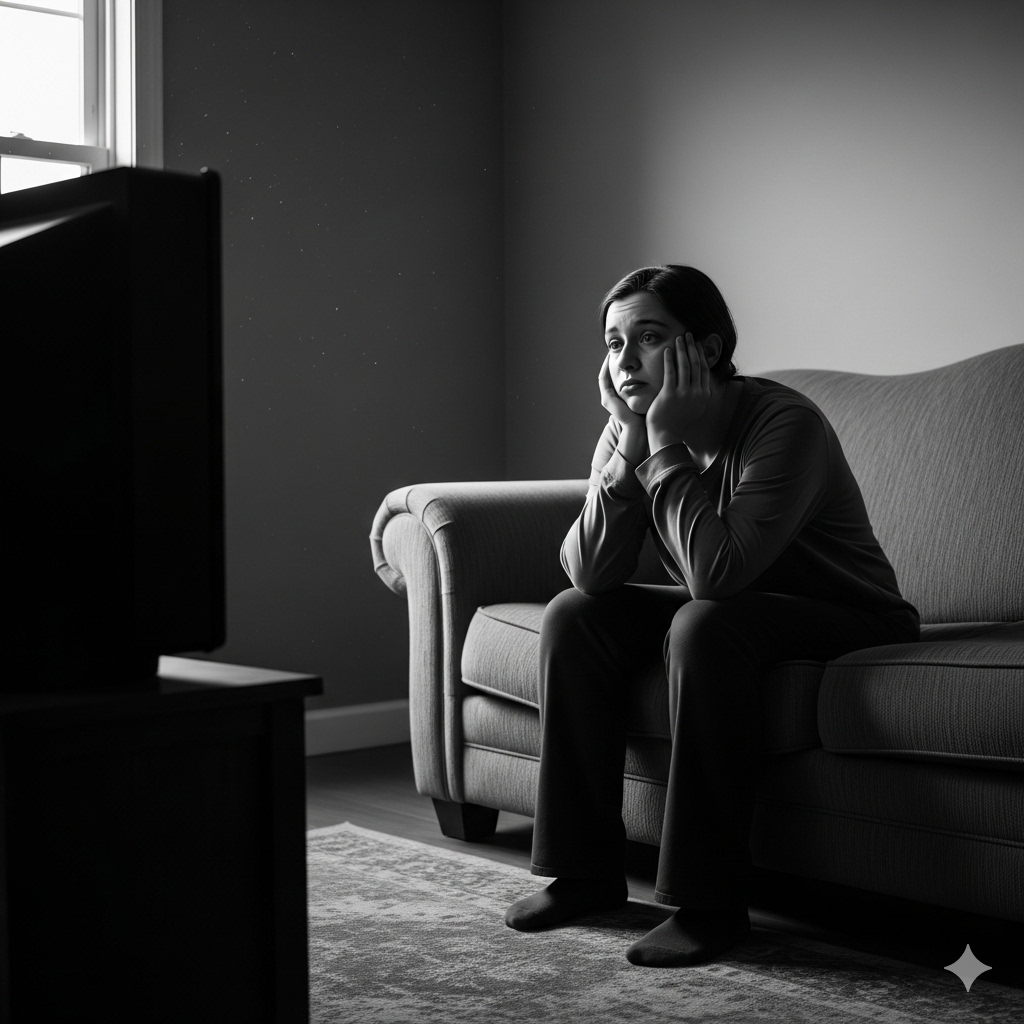
It’s the anhedonia gap: the reason why nothing feels fun after quitting weed. Your brain’s reward system short-circuiting after THC leaves the scene.
Here’s the truth: this phase is temporary. We’ll break down the science behind it, what natural ways to cure anhedonia after quitting weed look like, and how to move forward with tools like Grounded’s mood logs that help turn gray days into measurable wins.
Because numb isn’t forever. Your joy’s waiting—it just needs a nudge.
What is Anhedonia and How Is It Related to Quitting Marijuana?
At its core, anhedonia simply means “without pleasure.” The word comes from the Greek an (without) and hedone (pleasure). In practice, it’s that unsettling state where the things that used to light you up—music, meals, hobbies, even time with friends—suddenly feel flat.
When people quit weed, this “pleasure gap” often shows up. Why? Because THC has been artificially juicing the brain’s reward system, and once it’s gone, the natural spark takes time to return. It can feel like life has gone grayscale. That’s anhedonia in action.
Researchers point out that anhedonia isn’t just tied to cannabis withdrawal—it’s also one of the hallmark symptoms of depression. The two can overlap, which makes it even more important to recognize what’s happening. And here’s a key distinction: apathy is not caring, while anhedonia is not feeling. You might still want to enjoy something but can’t seem to get the emotional payoff.
Anhedonia after quitting weed symptoms can hit like a quiet fog—pleasure’s on mute.
In recovery circles, anhedonia meaning in quitting cannabis recovery is simple: it’s the brain’s “no fun” mode. Chronic THC overload pushes dopamine into overdrive. When you quit, dopamine levels drop, leaving your system in a temporary drought. NIH-backed research shows this is withdrawal’s fingerprint—not a personal flaw.
So, is anhedonia a sign of marijuana addiction or withdrawal? In many cases, it’s both—a signal that your brain is recalibrating.
How do you know it’s here? Watch for:

- Hobbies that feel like chores.
- Laughs that don’t land.
- Wins that feel “meh.”
Let’s talk about what happens to your brain. You might find that your memory isn’t quite as sharp as it once was, or that you’re struggling more to concentrate. Besides that, it can even throw off your ability to learn and might make your emotional reactions seem blander. This isn’t something to ignore, especially for young adults, as it can really increase the risk of addiction.
The takeaway? Anhedonia after quitting weed isn’t proof you’re broken—it’s a temporary phase of recovery. Understanding it is the first step to moving through it.Have you started noticing these changes? If so, jot them down in Grounded. Often, seeing these patterns start to show up is the first step toward getting better.
What Are the Symptoms of Cannabis Withdrawal Anhedonia?
Fog and Overlaps
Then comes the fog—that heavy mental haze where even simple thoughts feel scrambled. For many people, marijuana withdrawal brain fog shows up right alongside anhedonia, making it feel like motivation has vanished. Some even mistake it for depression.
But here’s the distinction: what feels like marijuana quitting symptoms, anhedonia, and depression is often your brain adjusting to lower dopamine. That’s why the numbness tends to fade as your system resets, while true clinical depression usually has deeper roots.
If the fog sticks around longer than you expected, it’s worth checking in with a professional. Until then, use Grounded to log your day-to-day. Tracking when the haze comes and goes can help you see progress you might otherwise miss.
Motivation Hits
The hardest part? Drive evaporates. Anhedonia and motivation loss after quitting cannabis can make even basic tasks feel impossible.
Coping looks like this:
- Start small—tiny tasks add up.
- Use phrases like: “This passes—one spark at a time.”
Daily Drags
It’s not just “off”—it’s draining. The symptoms of anhedonia after marijuana withdrawal go beyond feeling bored. They can show up as that soul-deep blah where even coffee tastes dull, music feels flat, and conversations drag.
On top of the emotional numbness, many people also deal with classic withdrawal side effects: irritability, low mood, loss of appetite, restless nights, and that nagging craving to use again. Some notice anxiety creeping in, strange dreams, headaches, stomach pain, or even bouts of sweating. It’s your body’s way of saying, “Something’s changing.”
Here’s the good news: these symptoms aren’t signs of failure—they’re proof your brain and body are resetting. Anhedonia may feel heavy, but it’s not permanent. Every day you move through it is another step closer to balance.
How Long Does Anhedonia Last After Quitting Weed?
The million-dollar question: how long does anhedonia last after quitting cannabis? The truth is, there isn’t a simple timeline. Some people bounce back quickly, while others feel stuck in that gray zone for longer.
Here’s the tricky part—how to get joy back after stopping marijuana isn’t necessarily the hardest thing. There are proven steps that help. What’s harder is knowing when joy will return, because that depends on your history with cannabis, your brain chemistry, and even your daily habits.
There’s no one-size-fits-all answer—but there are clear patterns that show progress is possible, no matter how long you’ve used.
- Weeks 1–2: This is usually the toughest part. Dopamine levels drop, leaving life feeling flat and colorless. Even things you normally enjoy feel like chores.
- Month 1–3: Little sparks start to show. A laugh lands, food tastes better, or you notice focus returning. These small wins matter—log them in Grounded to see how your progress adds up.
- Month 3+: For many, this is when the fog lifts and pleasure returns more consistently. If you’ve used heavily for years, lingering anhedonia months after quitting weed can stretch to 6–12 months—but even then, the intensity usually fades step by step.
Think of cannabis withdrawal anhedonia recovery time like rehabbing a muscle injury. It’s slow, sometimes frustrating, but measurable. Each week your brain is rebuilding its natural reward system—proof that the emptiness you feel isn’t permanent.
How Can I Overcome Anhedonia After Quitting Marijuana?
Stuck in neutral? How to overcome anhedonia after quitting marijuana isn’t about quick fixes—it’s about steady momentum.
Here are natural treatments for anhedonia post marijuana cessation that can kick-start your spark:
- Move: A 10-minute walk gives a dopamine nudge.
- Connect: Swap stories. Knowing others feel the same bridges the gap.
- Savor: Find micro-joys—a good song, warm coffee. These add up.
- Track: Grounded’s logs turn vague “meh” days into proof of progress.
The best ways to rediscover joy after quitting cannabis aren’t flashy—they’re consistent. A little sunlight, a balanced meal, or simply showing up can shift the needle.

FAQs
Here are your Top Queries on Anhedonia After Quitting Weed:
Q: Why do I feel no joy or pleasure after quitting weed?
A: This is the dopamine rebound in action. THC hijacks your reward system; when it’s gone, you feel flat. But it’s temporary—flickers of joy return within weeks.
Q: What is anhedonia and how is it related to quitting marijuana?
A: It’s your brain’s pause button on pleasure. Anhedonia happens as your reward system resets from THC.
Q: How long does anhedonia last after quitting weed?
A: Most recover in 1–3 months. For heavy users, it can last longer—but each week brings improvement.
Q: What are the symptoms of cannabis withdrawal anhedonia?
A: Numbness, low drive, boredom, sometimes with brain fog. All part of the withdrawal cycle.
Q: How can I overcome anhedonia after quitting marijuana?
A: Small wins. Walks, connections, nutrition, and tracking progress. Tools like Grounded help make the invisible visible.
Q: Is anhedonia a sign of marijuana addiction or withdrawal?
A: Often both. It signals your brain is stepping away from dependence and starting recovery.
Conclusion: Your Spark Is Still There—Let’s Fan the Flame
Feeling joyless after quitting cannabis is tough—but it’s not the end of your story. This is the anhedonia gap, and like any gap, it can be crossed.
From why does quitting weed make everything feel boring to how to get joy back after stopping marijuana, the steps are clear: stay patient, keep moving, and track your wins.
It starts with one small step—and the courage to believe joy will return.
If you’re ready to take that step, download Grounded at grounded420.com. Log moods, measure progress, and join a community walking the same road.
Your vibrant chapter is waiting.
Thank you for constantly posting motivational content for those who are going through this process. Hugs from Brazil!